
Kemmel
Kemmel is a small village located in the municipality of Heuvelland, West Flanders, Belgium. The area around Kemmel is renowned for its beautiful rolling hills and picturesque landscapes, making it a popular destination for hiking and cycling enthusiasts.
Due to the strategic location of the Kemmelberg hill, Kemmel played an important role during the First World War. Several military cemeteries and memorial sites can be found throughout the region.
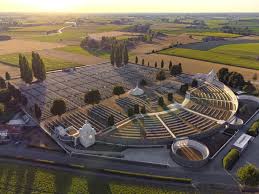
On the western slope of the Kemmelberg lies the Ossuaire Français, a mass grave containing the remains of 5,294 French soldiers. Only 57 of them could be identified.
Heuvelland
Heuvelland (www.toerismeheuvelland.be) is a municipality in the Belgian province of West Flanders, located in the westernmost part of the country, known as the Westhoek, near the French border.
The municipality consists of eight charming villages: Wijtschate, Nieuwkerke, Wulvergem, De Klijte, Dranouter, Loker, Westouter, and of course Kemmel. Together, they are home to approximately 8,000 inhabitants.
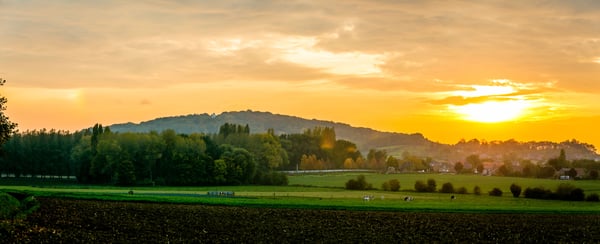
Heuvelland is famous for its rolling hills, scenic countryside, and charming village atmosphere. Every year, thousands of visitors come to enjoy hiking, cycling, or relaxing in one of the many traditional village cafés. Be sure to try the local specialty, Picon.
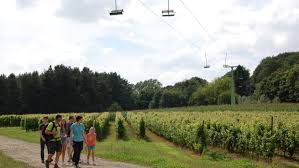
The region is also well known for its wines. Several vineyards can be found on the slopes of the Kemmelberg, Rodeberg, and Zwarteberg hills. You can even admire them from above aboard the Cordoba chairlift (www.kabelbaancordoba.be), the only chairlift in Flanders.
Ypres
Just ten kilometers from Kemmel lies the historic city of Ypres, famous for its impressive Market Square and the magnificent Cloth Hall.
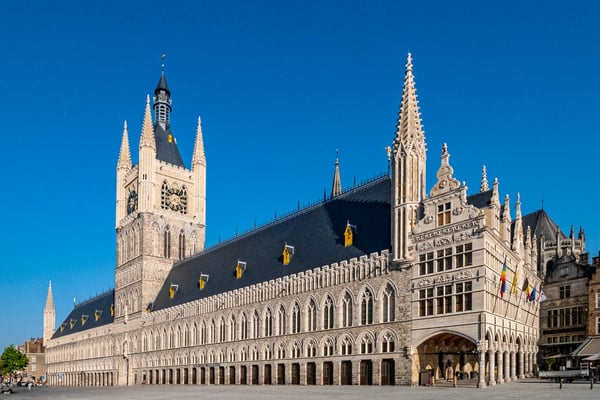
The Cloth Hall houses:
- The Tourist Information Centre: www.visitieper.be
- The Yper Museum: www.ypermuseum.be
- The In Flanders Fields Museum: www.inflandersfields.be
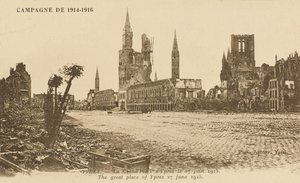
During the First World War, fierce battles were fought around Ypres, and the city was almost completely destroyed. The many military cemeteries in the surrounding area serve as a reminder of the devastating battles that took place here.
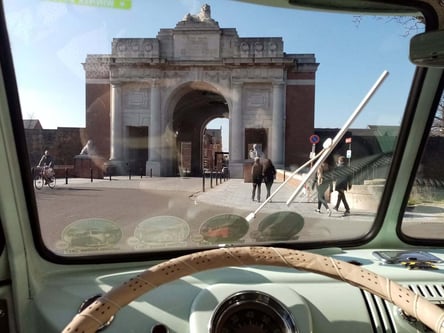
Ypres' most famous war memorial is undoubtedly the Menin Gate. Between 1914 and 1918, thousands of soldiers passed through this gateway on their way to the front line, many of whom never returned.
The Menin Gate bears the names of 54,896 missing soldiers.
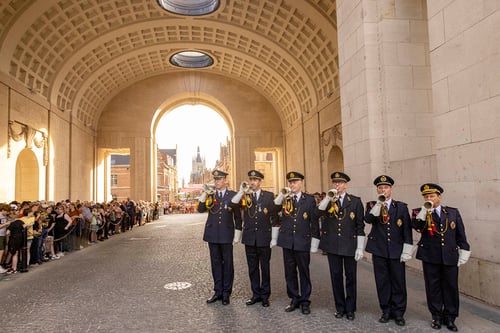
Every evening at 8:00 PM, visitors can attend the Last Post Ceremony (www.lastpost.be), a moving tribute to those who lost their lives during the war.
Poperinge
The area around Poperinge (www.toerismepoperinge.be) is characterized by its extensive hop fields. Hops are one of the essential ingredients in beer production, and at the Hop Museum (www.hopmuseum.be) visitors can learn everything about this centuries-old tradition.
Beer enthusiasts should not miss a visit to the famous St. Bernardus Brewery (www.sintbernardus.be).
After touring the brewery, you can enjoy one of their renowned beers at Bar Bernard (www.sintbernardus.be/en/barbernard), a rooftop bar offering breathtaking 360-degree views of the surrounding countryside.
Another unique attraction is Talbot House – Every Man's Club (www.talbothouse.be). This former soldiers' club from the First World War still retains the authentic British atmosphere of the period.
Passendale
Near Ypres lies the village of Passendale, internationally known for the infamous Battle of Passchendaele in 1917, one of the bloodiest battles of the First World War.
An estimated 170,000 lives were lost during this terrible conflict.
The Passchendaele Museum (www.passchendaele.be) takes visitors back to this dramatic chapter of history through authentic artifacts, photographs, and audiovisual presentations.
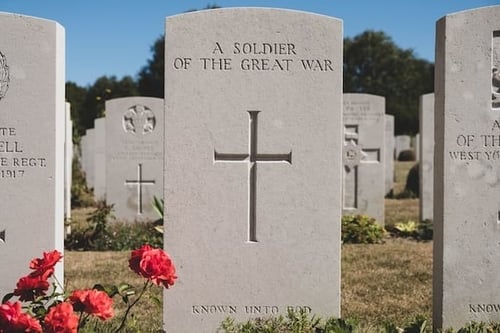
The impressive Tyne Cot Cemetery (www.passchendaele.be/en/cwgc-tyne-cot-cemetery) is another powerful reminder of the battle. With 11,956 graves, it is the largest Commonwealth War Graves Commission cemetery in the world.
First World War – In Flanders Fields
During the First World War, Ypres, Poperinge, Kemmel and Heuvelland were located at the heart of the Western Front. As a result, the region is home to numerous sites of historical significance related to the war. Here are some of the most remarkable places to visit:
1. Kemmel American Monument
https://www.abmc.gov/cemeteries-memorials/about-kemmel-american-monument/
Located on the road between Ypres and Kemmel, this monument honors the American soldiers who fought in the region during the First World War.
2. Bayernwald Trenches
https://www.toerismeheuvelland.be/nl/bayernwald-nl
This site features exceptionally well-preserved German trenches built in 1916. Visitors can explore the network of trenches, bunkers, and underground tunnels while learning about the harsh conditions soldiers endured during the war.
3. Hill 60
https://www.toerismewesthoek.be/nl/hill-60-0
Hill 60 was the scene of intense fighting during the war and now serves as a memorial to the soldiers who fought and died there. Visitors can explore the trenches and tunnels dug into the hill and learn about the devastating impact of the war on the landscape.
4. Tyne Cot Cemetery
https://passchendaele.be/en/cwgc-tyne-cot-cemetery/
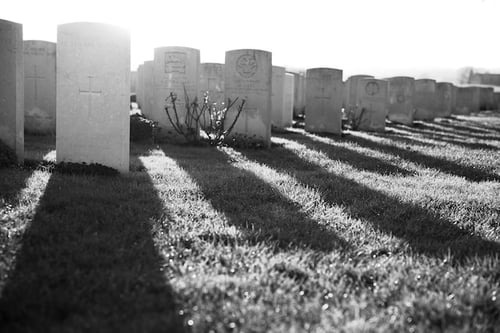
Tyne Cot is the largest cemetery of the Commonwealth War Graves Commission in the world, containing nearly 12,000 graves of soldiers who lost their lives during the First World War. Visitors can pay their respects to the fallen and gain insight into the impact of the war on individuals and communities.
5. In Flanders Fields Museum
https://www.inflandersfields.be/
Located in the nearby city of Ypres, this museum tells the story of the First World War in the Flanders region. Its exhibitions provide a powerful insight into the experiences of soldiers and civilians during the conflict.
These are just a few of the many historical sites related to the First World War that can be found in the Kemmel and Heuvelland region. Visitors can also discover numerous other museums, memorials, cemeteries and monuments that commemorate the sacrifices made by those who fought and died during the war.